


The Quick Answer
- The Risk: So-called “ceramic” pans like Caraway and GreenPan use a synthetic sol-gel coating that degrades under heat, losing its non-stick properties and potentially releasing undisclosed nanoparticles into your food.
- The Clean Swap: The safest alternatives are bare, uncoated pans made from cast iron or carbon steel, which develop a natural, non-toxic non-stick surface over time with proper seasoning.
- Top Recommendation: The article’s top pick is the Lodge Cast Iron Skillet, a durable and low-cost option with zero chemical coatings that will last a lifetime.
In the mass exodus from toxic Teflon (PFAS), the wellness community quickly embraced aesthetic, pastel-colored “ceramic” pans like Caraway and GreenPan. But are they actually made of ceramic? When you read a comprehensive Caraway pan vs GreenPan ceramic alternatives toxicity report in 2026, the truth is exposed: these pans utilize a quasi-ceramic “sol-gel” coating. Under high heat, this chemical matrix degrades, losing its non-stick properties in months and potentially releasing undisclosed nanoparticles into your food. To protect your holistic health and stop replacing your pans every year, you must return to true, lifetime non-toxic alternatives: bare Cast Iron or Carbon Steel.
In the pursuit of a non-toxic kitchen, eliminating “forever chemicals” (PFAS/PTFE) from our cookware is step one. In response to consumer demand, a massive wave of “ceramic-coated” pans flooded the market, heavily marketed by influencers for their beautiful colors and slick surfaces.
Brands like Caraway and GreenPan are often praised as the ultimate clean swaps. But a gentle correction is needed: these pans are not made of the baked clay pottery you imagine when you hear the word “ceramic.” They are aluminum or steel pans sprayed with a synthetic chemical coating. At Buy With Peace, we believe you deserve absolute transparency about the materials heating your food. It is time to apply our toxicological standard to the non-stick industry’s favorite loophole.
The BWP Scanner Angle: Analyzing Sol-Gel Patent Data
At Buy With Peace, the BWP Scanner doesn’t just read cosmetic labels; our AI analyzes the chemical patent data and material science behind household goods.
When we tasked the AI to evaluate the proprietary coatings used by Caraway and GreenPan (often marketed under names like Thermolon), the scanner identified the core technology: Sol-Gel (solution-gelation). Sol-gel is a chemical process that converts a liquid solution of metal alkoxides into a solid, quasi-ceramic gel matrix.
The AI flagged a specific high-heat degradation vector in these patents. To make the sol-gel flexible enough to spray onto metal and slick enough to fry an egg, manufacturers incorporate silicone-based polymers and often utilize titanium dioxide nanoparticles. Our analysis shows that this synthetic matrix is inherently unstable under the high thermal stress of daily cooking.
(Curious about the actual materials in your kitchen? You can use the BWP Scanner to instantly grade your daily products. After your scan, we invite you to join our Live with Peace Verified Protocol, an exclusive resource where we deliver our highly curated, 100% safe brand recommendations.)
The Scientific Shield: Why “Ceramic” Loses Its Slickness
To understand why your beautiful aesthetic pan starts sticking after six months, we must apply our “Scientific Shield.”
The Scientific Nuance: True ceramic (like a baking dish) is fired in a kiln at extreme temperatures and lasts for centuries. The sol-gel coating on a modern non-stick pan is a thin, sprayed-on chemical layer. When you heat sol-gel on a stovetop—especially if you sear meats or use cooking sprays—the silicone derivatives in the coating begin to break down and carbonize.
As the matrix degrades, the non-stick surface microscopically fractures. This not only causes your food to stick violently, but it also raises concerns about the release of synthetic nanoparticles into your meals. Once a quasi-ceramic pan starts sticking, its chemical integrity is compromised, and it belongs in the trash. Buying a new $100 pan every year is neither environmentally sustainable nor financially sound.
Founder’s Note: At Buy With Peace, we filter out the greenwashing. If you buy through our links, we may earn a small commission at no extra cost to you, helping us keep our research independent and honest.
Our Peace Picks: True Lifetime Non-Toxic Alternatives
If you want a pan that is completely free of synthetic coatings, sol-gels, and nanoparticles, you must return to the elements. Bare metal, when properly cared for, develops a natural, non-toxic non-stick patina (polymerized oil) that gets better, not worse, over time.
Lodge Cast Iron Skillet
If you want the ultimate low-cost, high-reward upgrade, Lodge is the undisputed king. It is a single, heavy piece of iron.
- The BwP Factor: There are zero coatings. It is naturally non-stick once seasoned, fortifies your food with trace amounts of dietary iron, and will literally outlast you. For around $25, it is the most economically and biologically sound investment you can make for your kitchen.
🌍 <a href="http://
Lodge Seasoned Cast Iron Skillet PFAS-Free, Non-Toxic Cookware
$24.90
Use with an Oven, Stove, Grill, or Campfire – Naturally Non-Stick & Oven Safe – 10.25 Inches

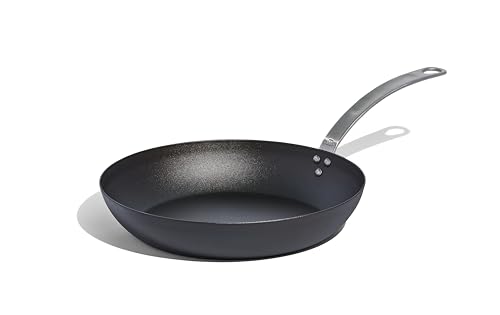
Made In Blue Carbon Steel Skillet (The Chef’s Standard)
If cast iron is too heavy for your wrists, carbon steel is the professional kitchen alternative.
- The BwP Factor: Made In’s carbon steel skillet is stamped from a single sheet of alloy. It is significantly lighter than cast iron, heats up incredibly fast, and builds a remarkably slick, natural seasoning over time. It is the perfect non-toxic alternative for searing proteins and tossing vegetables without a drop of sol-gel in sight.
🌎 Explore the Made In Carbon Steel Skillet →
Made In Cookware | Seasoned 12″ Blue Carbon Steel Frying Pan
$129.00
Like Cast Iron, but Better – Professional Cookware – Crafted in Sweden – Induction Compatible
The BwP Clean Cookware Checklist
Before you buy another pan, run it through this strict, non-negotiable criteria:
- Beware the “Non-Stick” Buzzword: If a pan claims to be non-stick right out of the box, it relies on a chemical coating (either PTFE/Teflon or Sol-Gel). True non-toxic pans require you to build the non-stick surface yourself using heat and natural cooking oils.
- Look for “Uncoated”: The safest materials for stovetop cooking are bare, uncoated cast iron, uncoated carbon steel, and high-quality stainless steel (for boiling and acidic foods).
- Check the Weight: Real, durable cookware is heavy. If a pan is feather-light and brightly colored, it is likely cheap aluminum sprayed with a quasi-ceramic coating that will warp and degrade.
Frequently Asked Questions
Are GreenPan and Caraway toxic when new?
When brand new and completely unblemished, sol-gel ceramic coatings are generally considered safe and do not off-gas toxic fumes like traditional Teflon (PTFE) does at high heat. The toxicological concern arises from their rapid degradation cycle. As they scratch and heat-stress, the chemical matrix breaks down, leading to the ingestion of the coating’s components.
How do I make cast iron or carbon steel non-stick?
Through a natural process called polymerization. You wipe a microscopic layer of safe, high-smoke-point oil (like avocado oil) onto the bare metal and heat it until it smokes. The oil structurally changes into a hard, slick, natural plastic-like layer. With daily use and proper washing (no harsh degreasers), this natural patina becomes as slick as any chemical coating.
🪶 Thank you for your visit! We truly wish you (and all beings) Peace and Health, and this is precisely why we created Buy with Peace.
Unlock theLive with PeaceVerified Protocol
A clearer way to shop.
Get our audited framework for safe water, non-toxic cookware, and a cleaner home.
Plus our best posts on living and shopping better.
100% Value. Zero Noise. You control the rhythm.


