


The Quick Answer
- The Risk: Conventional detergents often contain phthalates, which are endocrine-disrupting chemicals hidden under the label term ‘fragrance’ that can irritate a newborn’s permeable skin and interfere with their hormonal systems.
- The Clean Swap: Opt for powder-based detergents formulated with minimal, earth-derived mineral ingredients and plant-derived surfactants to significantly reduce the chemical load on sensitive skin.
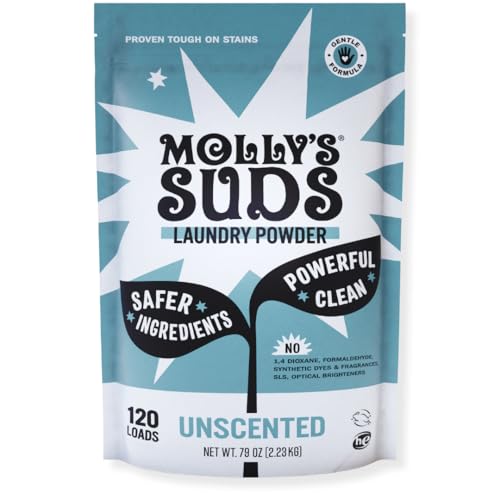
- Top Recommendation: The article recommends Molly’s Suds Original Laundry Detergent Powder as an ideal choice for sensitive skin.
The Science of Skin: Understanding Newborn Dermal Sensitivity and Eczema
Navigating the world of newborn care involves a steep learning curve, particularly when managing sensitive skin conditions like atopic dermatitis, or eczema. A newborn’s skin barrier is a delicate, developing shield. It is structurally thinner, less hydrated, and has a higher pH than adult skin, making it significantly more permeable and susceptible to external irritants. This is where the seemingly innocuous act of doing laundry becomes a critical component of your baby’s health regimen.
Many conventional liquid laundry detergents, especially those prized for their strong, ‘fresh’ scents, contain a cocktail of chemicals that can compromise this fragile barrier, leading to irritation, dryness, and flare-ups of eczema. This article provides a clinical, evidence-based framework for selecting the best baby-safe laundry detergent for newborn eczema, empowering you to clean safely and effectively.
Common Culprits: Endocrine Disruptors and Irritants in Your Detergent
The term ‘fragrance’ or ‘parfum’ on an ingredient label is a proprietary loophole that can hide hundreds of chemicals, including phthalates. Phthalates are well-documented endocrine-disrupting chemicals (EDCs), meaning they can interfere with the body’s hormonal systems. For a developing infant, minimizing exposure to such compounds is a prudent measure. Other ingredients of concern include:
- Optical Brighteners: These chemicals are designed to remain on fabric to absorb UV light and make whites appear brighter. They serve no cleaning purpose and can cause photosensitivity and allergic reactions on delicate skin.
- Sulfates (SLS/SLES): Powerful surfactants that create lather, but are also known skin irritants that can strip the skin of its natural oils.
- 1,4-Dioxane: A contaminant byproduct of the manufacturing process for certain surfactants. It is a probable human carcinogen and does not need to be listed on ingredient labels.
For a comprehensive exploration of our skin’s intricate ecosystem and the profound benefits of a minimalist approach to what we put on it—and by extension, what we wash our clothes in—we highly recommend the audiobook “Clean: The New Science of Skin and the Beauty of Doing Less by James Hamblin,” available on Amazon Audible. It provides a fascinating context for why less is often more when it comes to skin health.
Decoding Labels: What to Look For in a Baby-Safe Detergent
When searching for a truly safe option, look past marketing claims and focus on the ingredient list. Seek out products that are explicitly ‘fragrance-free’ (not just ‘unscented’), ‘dye-free’, and formulated with plant-derived surfactants. Certifications from reputable third parties, such as the Environmental Working Group (EWG), can provide an extra layer of assurance. For parents seeking a rigorously formulated, sustainable option, a powder-based detergent can be an excellent choice. Powder-based formulas are often crafted with minimal, earth-derived mineral ingredients, significantly reducing the chemical load on sensitive newborn skin.
Molly’s Suds Original Laundry Detergent Powder | Ideal for Sensitive Skin | Unscented
$22.99
The Molly’s Suds powder handles the same core laundry job with fewer formula compromises and less shipping weight.
Beyond the Bottle: The Ethical Implications of Animal Testing
The BWP ethos extends to all living beings. Many legacy brands conduct dermal and ocular irritation tests on animals for the chemicals used in their detergents. Choosing products from companies that refuse to engage in this practice is a powerful statement. To ensure your purchase aligns with these values, look for the official Leaping Bunny certification, the globally recognized gold standard for cruelty-free products. This mark guarantees that no new animal testing was used in any phase of product development.
The Human Cost: Worker Safety in Chemical Manufacturing
Our purchasing decisions have a ripple effect that extends to the workers who produce our goods. The manufacturing of detergents laden with harsh, volatile chemicals can pose significant occupational health risks, from respiratory issues to dermal burns. By supporting brands that prioritize simple, non-toxic, and plant-derived ingredients, we are also advocating for safer working environments and a more ethical supply chain.
From Wash Cycle to Waterway: The Environmental Footprint
The chemicals in our laundry detergent don’t just disappear; they enter our water systems. Phosphates, non-biodegradable surfactants, and other compounds contribute to water pollution, harming aquatic ecosystems. Opting for biodegradable, phosphate-free formulas, and concentrated powders (which require less water to produce and are lighter to ship) significantly reduces your household’s environmental impact. It’s a choice that protects your baby’s future in more ways than one.
Actionable Alternative: A DIY Baby-Safe Laundry Soap Recipe
For the ultimate in transparency and control, a simple homemade laundry soap can be highly effective. This recipe avoids all common irritants and is exceptionally gentle.
Ingredients & Measurements
- 1 Gallon Hot Water (not boiling)
- 1 cup Baking Soda
- 1/2 cup Unscented Liquid Castile Soap
- 1/2 cup Washing Soda (Sodium Carbonate)
Mixing Instructions
- In a large pot or bucket, combine the hot water, baking soda, and washing soda. Stir until completely dissolved.
- Allow the mixture to cool down slightly.
- Gently stir in the liquid Castile soap. Mix slowly to avoid creating excessive suds.
- Transfer the mixture to a gallon jug or other storage container. It will thicken slightly as it cools completely.
Usage Guidelines
Use approximately 1/2 cup per standard load of laundry. For heavily soiled items, you can pre-treat stains with a small amount of the Castile soap directly. Shake the container gently before each use.
🔬 Chemical Safety Warning: The Science of Soap
It is critical to understand the chemistry you are working with. Castile soap is a base, making it alkaline. NEVER mix this soap solution with an acid like vinegar in the same container. Adding an acid to the soap will trigger a chemical reaction called saponification in reverse. It neutralizes the soap, causing it to break down and curdle back into its original, greasy oils, rendering it completely ineffective for cleaning.
Frequently Asked Questions
Is ‘unscented’ the same as ‘fragrance-free’?
No. ‘Unscented’ products may contain masking fragrances to cover the chemical smell of other ingredients. ‘Fragrance-free’ means no fragrances or masking scents have been added. For newborn eczema, always choose products explicitly labeled ‘fragrance-free’ to eliminate a significant source of potential irritation and ensure maximum safety for sensitive skin.
Are powder detergents better than liquid for sensitive skin?
Not inherently, but they often have advantages. Powder detergents typically require fewer preservatives than liquids, which can be a benefit for sensitive skin. They also tend to have simpler ingredient lists. The most important factor remains the specific formulation. Always scrutinize the ingredients, regardless of whether the product is a powder or liquid.
How can I be sure my baby’s clothes are truly clean without harsh detergents?
Gentle, baby-safe detergents use plant-derived surfactants and enzymes that are highly effective at lifting dirt and breaking down protein-based stains like milk or spit-up. For best results, pre-treat stains, use the appropriate water temperature for the fabric, and avoid overloading the machine. A thorough extra rinse cycle is also key to ensuring no residue remains.
🪶 Thank you for your visit! We truly wish you (and all beings) Peace and Health, and this is precisely why we created Buy with Peace.
Unlock theLive with PeaceVerified Protocol
A clearer way to shop.
Get our audited framework for safe water, non-toxic cookware, and a cleaner home.
Plus our best posts on living and shopping better.
100% Value. Zero Noise. You control the rhythm.


