


Pampers Swaddlers & Pampers Pure Protection is still a mainstream staple. But shoppers trying to cut fragrance, ethoxylates, and heavy plastic packaging usually have cleaner options.
While Pampers Swaddlers and Pure Protection offer reliable leak prevention, they rely on ECF bleaching, petroleum-derived plastics, and potential endocrine-disrupting additives. Swapping to a TCF, plant-based alternative like ATTITUDE Eco-Friendly Diapers or other certified organic options eliminates carcinogenic dioxins, microplastics, and animal testing from your baby's daily routine.
The Buy with Peace alternative
EWG Verified and FSC-certified, these plant-based diapers replace petroleum plastics with biodegradable cellulose and cornstarch films. Hypoallergenic, fragrance-free, and totally chlorine-free to protect infant skin from rash-inducing allergens and synthetic lotions.

What makes Pampers Swaddlers & Pampers Pure Protection controversial
Health concerns
- ECF bleached pulp (dioxin traces)
- Polypropylene/polyethylene top-sheets
- Synthetic fragrances containing phthalates
- Heavy metals in wetness indicators
Ethical concerns
- Parent company (P&G) participates in animal testing
- High petroleum-derived plastic content
- Slow environmental degradation
The Hidden Chemistry of Conventional Diapers
Infants wear diapers virtually twenty-four hours a day during their most critical developmental windows. This continuous, close-contact exposure makes the chemical composition of diaper materials a paramount concern for health-conscious parents.
While conventional brands like Pampers are household staples, a closer look at their material sheets reveals a heavy reliance on synthetic petrochemicals, elemental chlorine-free bleaching, and potential endocrine-disrupting additives. Finding a clean, non-toxic alternative to pampers is no longer just an environmental preference—it is a clinical necessity for protecting your baby’s developing skin barrier and endocrine system.
The Bleaching Dilemma: ECF vs. TCF
One of the most critical distinctions in diaper manufacturing is the bleaching process used to whiten and soften the wood pulp core. Conventional diapers typically utilize Elemental Chlorine Free (ECF) bleaching, which relies on chlorine dioxide.
This process can release trace amounts of chlorinated organic compounds, including carcinogenic dioxins, into the environment and the final product. A comprehensive review of infant chemical exposure in diapers highlights that infants face continuous exposure to trace chemicals, emphasizing the frequent detection of these toxic byproducts.
In contrast, premium non-toxic alternatives utilize Totally Chlorine Free (TCF) bleaching. TCF processes completely eliminate chlorine and chlorine dioxide, opting instead for oxygen, ozone, or hydrogen peroxide. This clinical difference ensures that TCF diapers are entirely free of dioxin byproducts, providing absolute peace of mind for your baby’s sensitive skin.
The Plastic Top-Sheet Problem & Skin Barrier Disruption
The top-sheet is the layer of the diaper in direct, constant contact with your baby’s skin. In conventional diapers, this layer is almost always made of synthetic plastics like polypropylene and polyethylene. These petroleum-derived materials are non-biodegradable, carry a risk of microplastic shedding, and lack natural breathability.
This microenvironment traps heat and moisture, leading to skin barrier disruption and contact dermatitis. Maintaining the integrity of the stratum corneum is vital for preventing atopic dermatitis in high-risk infants. Swapping synthetic plastic top-sheets for plant-based biopolymers or organic bamboo significantly improves breathability, reduces friction, and preserves the natural lipid barrier of infant skin.
Phthalates, Fragrances, and Heavy Metals
Many conventional diapers incorporate synthetic fragrances to mask odors, which often contain phthalates used to stabilize scents. Phthalates are well-documented endocrine disruptors that can leach from consumer products and dermally absorb through thin infant skin.
A clinical study demonstrated a direct association between infants’ dermal exposure to phthalates from disposable diapers and DNA oxidative damage. Additionally, researchers have validated the presence of phthalate metabolites in urine collected directly from disposable diapers.
Beyond fragrances, conventional diapers often feature wetness indicators that rely on chemical adhesives and dyes. A survey of US baby products identified various volatile organic compounds in disposable diapers, posing potential inhalation and dermal risks to vulnerable infants.
The Ethical Contrast: Animal Testing & Sustainability
Ethical considerations are just as vital as chemical safety. Procter & Gamble, the parent company of Pampers, continues to participate in animal testing where required by law or regulatory bodies. For families committed to a compassionate lifestyle, this is a significant drawback.
Furthermore, conventional diapers contribute millions of tons of non-biodegradable plastic waste to landfills annually. The recommended alternatives below are strictly vegan, cruelty-free, and prioritize biodegradable, plant-based materials like FSC-certified wood pulp and organic bamboo, ensuring a low-impact lifecycle from production to disposal.
The Best Non-Toxic Alternatives to Pampers
1. ATTITUDE Eco-Friendly Diapers
We highly recommend ATTITUDE Eco-Friendly Diapers as a premier, certified sustainable alternative to conventional diapers. These diapers are crafted with over 50% renewable and biodegradable raw materials, utilizing FSC-certified sustainable wood pulp and plant-based biopolymers.
They are completely Totally Chlorine Free (TCF), fragrance-free, and ink-free, making them exceptionally gentle on sensitive skin. Dermatologically tested and hypoallergenic, they offer up to 12 hours of advanced leak protection without the chemical footprint of traditional brands.
EWG Verified and FSC-certified, these plant-based diapers replace petroleum plastics with biodegradable cellulose and cornstarch films. Hypoallergenic, fragrance-free, and totally chlorine-free to protect infant skin from rash-inducing allergens and synthetic lotions.
By choosing ATTITUDE Eco-Friendly Diapers, you are opting for a carbon-neutral, plant-based design that respects both your baby’s skin barrier and the planet.
2. Non-Toxic Plant-Based Diapers
For parents seeking a minimalist, high-performance design, non-toxic plant-based diapers represent the pinnacle of modern diaper engineering. These diapers feature an ultra-soft, unprinted top-sheet made from 100% plant-based materials, completely eliminating synthetic polypropylene and polyethylene contact.
They utilize TCF wood pulp and are free from heavy-metal wetness indicators, parabens, and phthalates. Their high-absorbency core keeps moisture away from the skin instantly, reducing the risk of diaper rash while maintaining a clean, aesthetic look.
Crafted for delicate skin, these exceptionally soft diapers offer reliable leak protection and a secure fit to keep your baby dry and comfortable all day.

These high-performance, non-toxic plant-based diapers prove that you do not have to sacrifice absorbency or convenience to achieve clinical-grade safety.
3. Best Organic Diapers
If environmental sustainability and organic certifications are your top priorities, organic diapers made from organic bamboo or cotton blends are the ideal choice. These diapers are certified by OEKO-TEX Standard 100 and ECOCERT, ensuring they are completely free of harmful substances, pesticides, and heavy metals.
The organic bamboo fibers are naturally hypoallergenic, antimicrobial, and highly breathable, offering superior comfort compared to petroleum-heavy plastics. They are completely TCF, vegan, and cruelty-free, aligning perfectly with a low-impact, compassionate lifestyle.
Crafted for the most sensitive skin, these silky-soft diapers deliver exceptional leak protection and overnight dryness without any hidden synthetic additives.
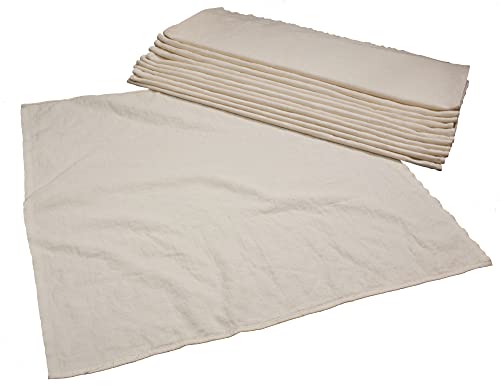
Investing in these certified organic diapers ensures your baby is wrapped in the purest, most ethically sourced materials available on the market.
Community Ratings & Experience
650+ community ratings across PTPA (Parent Tested Parent Approved)/Conscious Diapers/Tested & Rated/Tinylog/Reddit
What the Community Loves
- Parents consistently praise Pampers Swaddlers for their exceptional softness, comfortable fit, and reliable daytime absorption.
- Buyers appreciate Pampers Pure Protection for offering cleaner ingredients and added skin protection like shea butter without causing irritation.
Things to Consider
- Eco-conscious reviewers point out that Pampers Pure lacks fully renewable materials like bamboo and does not offer enough holistic skin benefits compared to natural competitors.
- Several users report issues with poor overnight performance, leaky tabs, and higher costs relative to competing disposable brands.
Why this is the best alternative
Why it stands out
Totally Chlorine Free (TCF) pulp; 50% renewable and biodegradable raw materials; Zero synthetic fragrances or inks; Hypoallergenic plant-based top-sheet.
Verified certifications
These certifications and seals are currently shown on the recommended product or its official listing.
- FSC Certified
- EWG Verified
- Dermatologically Tested
- Cruelty-Free & Vegan
Affiliate disclosure
We may earn a commission if you buy through links in this review, at no extra cost to you.

Baby & Nursery
Best Non-Toxic Alternative to Skip Hop Play Mat
Discover the safest, non-toxic, and vegan alternatives to Skip Hop play mats. Read our research-backed guide on EVA foam and formamide safety.

Baby & Nursery
The Safest Organic Crib Mattress Swap for Conventional Foam Models
The Graco Premium Foam Crib Mattress, while accessible and compliant with basic safety standards, is constructed from materials like polyurethane foam and vinyl that...

Baby & Nursery
Best Non-Toxic Alternative to Dr. Brown’s Bottles
Discover the safest, plastic-free alternatives to Dr. Brown's plastic bottles. Backed by clinical research on microplastics and thermal degradation.
Try the Buy with Peace Scanner
Want a quick read on a product you already own or are thinking about buying? Use the Buy with Peace Scanner to check ingredient safety, flag common red flags, and get a clearer read on transparency and ethics in seconds.
Unlock theLive with PeaceVerified Protocol
A clearer way to shop.
Get our audited framework for safe water, non-toxic cookware, and a cleaner home.
Plus our best posts on living and shopping better.
100% Value. Zero Noise. You control the rhythm.
🪶 Thank you for your visit! This guide was meticulously researched and written by the Buy with Peace Editorial Team to help you make informed, health-conscious choices for your daily routine.
Sources
- Lai X and colleagues, Infants’ Dermal Exposure to Phthalates from Disposable Baby Diapers and Its Association with DNA Oxidative Damage (2025) — Toxics.
- Glinka M and colleagues, Assessment of baby disposable diapers application for urine collection and determination of phthalate metabolites (2024) — Ecotoxicology and Environmental Safety.
- Sun M and colleagues, Infants exposure to chemicals in diapers: A review and perspective (2024) — Science of The Total Environment.
- Lin N and colleagues, Volatile Organic Compounds in Disposable Diapers and Baby Wipes in the US: A Survey of Products and Health Risks (2023) — Environmental Science & Technology.
- Chan CJ and colleagues, Prevention of Atopic Dermatitis in High-Risk Infants: A Review of the Role of Lipid-Based Barrier Repair Therapy (2026) — Pediatric Dermatology.
- Environmental Working Group, EWG’s Healthy Living: Guide to Safer Diapers (2019) — EWG Research.


