


Tampax Cardboard/Plastic Applicator Tampons is still a mainstream staple. But shoppers trying to cut fragrance, ethoxylates, and heavy plastic packaging usually have cleaner options.
Conventional Tampax tampons rely on synthetic rayon, chlorine bleaching, and plastic applicators that expose highly absorptive vaginal tissue to trace dioxins, phthalates, and pesticide residues. Swapping to GOTS-certified, 100% organic cotton, plastic-free alternatives eliminates these chemical risks while offering superior biodegradable performance.
The Buy with Peace alternative
Constructed entirely from 100% GOTS-certified organic cotton purified via an oxygen-only TCF process. Eliminates synthetic rayon fibers, chemical bleach residues (dioxins), and petroleum-derived plastic applicators.

What makes Tampax Cardboard/Plastic Applicator Tampons controversial
Health concerns
- Dioxin bioaccumulation risks
- Synthetic rayon fibers (TSST-1 promotion)
- Endocrine-disrupting phthalates
- Glyphosate and pesticide residues
Ethical concerns
- Parent company tests on animals
- Single-use plastic applicators
- Non-biodegradable synthetic materials
The Clinical Reality Behind Conventional Tampons
For decades, conventional tampons have served as the global standard for menstrual hygiene. However, emerging clinical research and toxicological studies raise significant concerns regarding the materials, chemical processing, and structural design of these products.
The vaginal canal is lined with a highly permeable, vascularized mucous membrane. Lacking a protective keratinized stratum corneum, this tissue is exceptionally efficient at absorbing transdermal and systemic compounds directly into the bloodstream without first-pass hepatic metabolism.
To understand why transitioning to a clean alternative is a critical health decision, we must analyze the primary toxicological and environmental vectors associated with conventional options.
1. Dioxin Bioaccumulation from Chlorine Bleaching
Conventional tampons often undergo bleaching processes to achieve their signature white appearance. While modern purification methods have largely transitioned to Elemental Chlorine-Free (ECF) processes, these methods can still generate trace amounts of chlorinated organic compounds.
This includes polychlorinated dibenzo-p-dioxins and dibenzofurans, which are highly toxic, persistent organic pollutants that bioaccumulate in adipose tissue over a lifetime of exposure. Even at parts-per-trillion levels, cumulative exposure to dioxins is linked to endometriosis, reproductive toxicity, and endocrine disruption, as highlighted in comprehensive epidemiological reviews on menstrual product exposures.
2. Synthetic Rayon Fibers vs. Organic Cotton
Many conventional tampons utilize a blend of synthetic rayon (viscose) and cotton. While rayon is highly absorbent, its physical structure and chemical composition create an environment highly conducive to the growth of Staphylococcus aureus.
This bacterium can produce Toxic Shock Syndrome Toxin-1 (TSST-1), the superantigen responsible for Toxic Shock Syndrome (TSS). Clinical studies indicate that 100% organic cotton fibers do not promote the production of TSST-1 to the same degree as synthetic rayon blends, making pure organic cotton a structurally safer choice for vaginal health.
3. Endocrine-Disrupting Phthalates in Plastic Applicators
The plastic applicators utilized by conventional brands are typically made from petrochemical-derived polymers. Recent extractables and leachables investigations have identified plasticizing additives, specifically phthalates like DEP and DEHP, within these components.
These findings are detailed in recent chemical characterizations of single-use menstrual products. Phthalates are known endocrine-disrupting chemicals (EDCs) that interfere with estrogen receptor signaling, potentially altering menstrual cycle length and reproductive homeostasis.
This hormonal interference is supported by cellular bioassays evaluating estrogenic activity in tampons and cohort studies linking personal care product use to cycle irregularities.
4. Glyphosate and Pesticide Residues on GMO Cotton
Conventional cotton is one of the most chemically intensive crops in the world. It is frequently grown from genetically modified (GMO) seeds engineered to withstand heavy applications of glyphosate and other synthetic pesticides.
Trace residues of these agricultural chemicals, alongside heavy metals, have been detected in conventional tampons, as documented in toxicological analyses of metal concentrations in menstrual products. Introducing these residues to the highly sensitive vaginal environment poses unnecessary chronic exposure risks.
The Clean Swap Solution: GOTS-Certified Organic Cotton
The safest alternative to conventional tampons is a 100% GOTS-certified organic cotton, plastic-free option. GOTS (Global Organic Textile Standard) certification guarantees that the cotton is grown without synthetic pesticides, herbicides, or GMOs.
Furthermore, premium clean alternatives utilize Totally Chlorine-Free (TCF) bleaching methods using hydrogen peroxide instead of chlorine compounds, ensuring zero dioxin formation. By choosing plastic-free cardboard applicators or applicator-free (digital) options, you completely eliminate phthalate exposure and reduce environmental plastic pollution.
The Best Organic, Plastic-Free Alternatives to Tampax
We have thoroughly audited the market to bring you the three best verified vegan, cruelty-free, and organic alternatives to conventional tampons.
1. Natracare Organic Tampons
We highly recommend Natracare Organic Tampons as the premier alternative to Tampax. Natracare was a pioneer in the organic period care movement, offering 100% GOTS-certified organic cotton tampons that are completely free from synthetic rayon, plastics, and chemical fragrances.
They utilize a Totally Chlorine-Free (TCF) bleaching process and feature a biodegradable cardboard applicator, ensuring that no plastic enters your body or the environment. Their design is highly effective, comfortable, and completely biodegradable.
Constructed entirely from 100% GOTS-certified organic cotton purified via an oxygen-only TCF process. Eliminates synthetic rayon fibers, chemical bleach residues (dioxins), and petroleum-derived plastic applicators.
2. Lola Organic Cotton Tampons
Lola Organic Cotton Tampons provide an exceptional, highly customizable alternative to conventional tampons. Made with 100% organic cotton, Lola tampons are designed without synthetic fibers, dyes, or fragrances.
They offer a compact, BPA-free plastic applicator for those who prefer a smoother insertion while transitioning away from conventional brands, though they also offer applicator-free options. Lola is highly transparent about their ingredient sourcing and conducts rigorous testing to ensure their products are free from heavy metals and pesticide residues.
Tailor your period care with a mix-and-match absorbency selection that delivers dependable leak protection without compromising on ingredient purity.
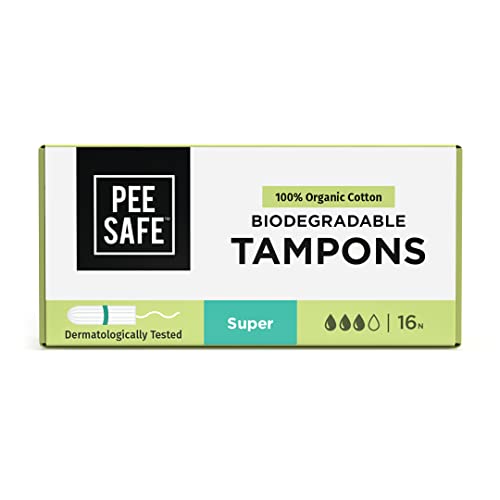
3. Organyc Organic Cotton Tampons
Organyc Organic Cotton Tampons are clinically proven to be highly compatible with sensitive skin, making them an ideal choice for individuals prone to vaginal irritation. Made entirely from 100% organic cotton inside and out, Organyc products are TCF-bleached and feature a recyclable cardboard applicator with a soft, rounded tip for comfortable insertion.
Their breathable design helps maintain optimal vaginal pH and moisture balance, reducing the risk of irritation associated with synthetic materials.
These fully biodegradable tampons deliver reliable leak protection while respecting your body's natural chemistry and keeping plastic out of landfills.

Community Ratings & Experience
6+ community ratings across Walmart/Reddit
What the Community Loves
- Long-time users appreciate the reliability of the core tampon absorbency and design.
- Cardboard applicators have historically provided a familiar and preferred format for decades of loyal customers.
Things to Consider
- Users strongly dislike the transition to plastic applicators due to environmental pollution and perceived lower absorbency.
- Customers express frustration over widespread cardboard applicator shortages and occasional difficulties dispensing the tampon from the cardboard tube.
Why this is the best alternative
Why it stands out
100% Certified Organic Cotton; Totally Chlorine-Free (TCF); Plastic-Free & Biodegradable; No Synthetic Fibers or Fragrances.
Verified certifications
These certifications and seals are currently shown on the recommended product or its official listing.
- GOTS Certified
- Soil Association Certified
- USDA Certified Biobased
- Vegan Society
- Cruelty-Free
Affiliate disclosure
We may earn a commission if you buy through links in this review, at no extra cost to you.

Personal Care
The Best Tallow-Free Alternative to Irish Spring Soap
Discover the best tallow-free, plant-based alternative to Irish Spring soap. Our evidence-based review audits the chemical and ethical concerns of conventional soap.

Personal Care
The Best Petroleum-Free Alternative to American Crew Pomade
Discover the best petroleum-free alternative to American Crew Pomade. Read our evidence-based audit on scalp safety, parabens, and clean styling swaps.

Personal Care
The Best Sulfate-Free Alternative to Dove Men+Care Body Wash
Discover the best sulfate-free alternative to Dove Men+Care body wash. Our research-backed review audits chemical hazards and reveals a clean, zero-waste swap.
Try the Buy with Peace Scanner
Want a quick read on a product you already own or are thinking about buying? Use the Buy with Peace Scanner to check ingredient safety, flag common red flags, and get a clearer read on transparency and ethics in seconds.
Unlock theLive with PeaceVerified Protocol
A clearer way to shop.
Get our audited framework for safe water, non-toxic cookware, and a cleaner home.
Plus our best posts on living and shopping better.
100% Value. Zero Noise. You control the rhythm.
🪶 Thank you for your visit! This guide was meticulously researched and written by the Buy with Peace Editorial Team to help you make informed, health-conscious choices for your daily routine.
Sources
- Blignaut and colleagues, The presence of endocrine disrupting chemicals in sanitary pads: A study done in South Africa (2026) — Science of The Total Environment.
- Sutherland and colleagues, Estrogenic activity in tampon products (2026) — Journal of the Endocrine Society.
- Cioni and colleagues, Plastic Additives in Single-Use and Reusable Menstrual Products: Potential Implications for Human Health and the Environment (2025) — Environmental Science & Technology.
- Shearston and colleagues, Tampons as a source of exposure to metal(loid)s (2024) — Environment International.
- Upson and colleagues, Menstrual Products as a Source of Environmental Chemical Exposure: A Review from the Epidemiologic Perspective (2022) — Current Environmental Health Reports.


