


Swiffer WetJet Starter Kit & Multi-Purpose Floor Cleaner is still a mainstream staple. But shoppers trying to cut fragrance, ethoxylates, and heavy plastic packaging usually have cleaner options.
While the Swiffer WetJet offers push-button convenience, its proprietary Multi-Surface solutions contain propylene glycol butyl ether, synthetic fragrances, and isothiazolinone preservatives, alongside single-use synthetic pads and locked plastic cartridges. Switching to the O-Cedar ProMist MAX Microfiber Spray Mop provides a battery-free, refillable system whose washable microfiber pad mechanically removes over 99% of tested household bacteria with water alone (per manufacturer-commissioned lab testing).
The Buy with Peace alternative

What makes Swiffer WetJet Starter Kit & Multi Purpose Floor Cleaner controversial
Health concerns
- Synthetic fragrances
- Ethoxylated surfactants
- Isothiazolinone preservatives (Benzisothiazolinone)
- Propylene glycol ethers
Ethical concerns
- Parent company tests on animals
- Single-use polyester pads
- Non-recyclable plastic bottles
The Hidden Cost of Convenience: Auditing the Swiffer WetJet
For over two decades, the Swiffer WetJet has dominated household cleaning, celebrated for making floor maintenance effortless. Yet, a closer inspection of this system reveals a troubling compromise between convenience, synthetic chemical exposure, and environmental degradation.
The proprietary cleaning solutions designed for the WetJet rely on synthetic fragrances, ethoxylated surfactants, and harsh preservatives. When sprayed, these chemicals aerosolize, creating inhalation risks for families and pets. Furthermore, the system relies on single-use polyester pads and non-recyclable plastic bottles, contributing directly to the global plastic crisis.
- Volatile Glycol Ethers & Sensitizers: According to Procter & Gamble’s ingredient disclosures, Swiffer WetJet Multi-Surface solutions rely on propylene glycol butyl ether alongside isothiazolinone preservatives and synthetic fragrance blends (while antibacterial wet-cloth variants utilize quaternary ammonium biocides).
- Proprietary Waste Lock-In: The molded bottle cap resists refilling, requiring recurring purchases of virgin plastic jugs, disposable polypropylene/cellulose pads, and AA batteries.
- Proven Mechanical Swap: High-density washable microfiber heads physically lift grime and—according to independent laboratory testing commissioned by O-Cedar for the ProMist MAX—remove over 99% of common household bacteria (including E. coli and Staph aureus) using plain tap water alone.
The Chemical Profile: Why Swiffer WetJet Fails Our Safety Standards
To understand why a clean swap is necessary, we must clinically analyze the chemical formulation of conventional floor cleaning solutions. The primary toxicological concerns center around three main categories: glycol ethers, sensitizing preservatives, and synthetic fragrances.
1. Propylene Glycol Ethers (PGEs)
Swiffer solutions frequently utilize propylene glycol butyl ether as a solvent to cut through grease. While marketed as safer than ethylene-series glycol ethers, recent toxicological research highlights ongoing concerns.
Organic solvents like propylene glycol ethers can readily cross skin and lung barriers, distributing systemically throughout the body. Furthermore, human toxicokinetic research demonstrates that dermal absorption of these compounds is highly frequent during household handling, raising questions about long-term systemic exposure.
2. Isothiazolinone Preservatives
To prevent microbial growth in water-based solutions, conventional formulas utilize preservatives such as benzisothiazolinone (BIT). Isothiazolinones are notorious contact allergens.
Clinical research notes a significant rise in human sensitization to benzisothiazolinone, warning that exposure to these preservatives in household cleaning products is a primary driver of allergic contact dermatitis. This is further supported by dermatological audits identifying these preservatives as leading causes of household contact allergies.
3. Synthetic Fragrances and Endocrine Disruption
The signature “fresh” scents of conventional floor cleaners are achieved through complex mixtures of synthetic chemicals. These proprietary fragrance blends often contain phthalates, which act as endocrine disruptors, and volatile organic compounds (VOCs) that degrade indoor air quality and irritate sensitive respiratory tracts.
The Environmental Impact: Single-Use Waste and Microplastics
Beyond the chemical hazards, the Swiffer WetJet is an ecological disaster by design. The system requires proprietary, single-use pads made of synthetic polyester and polypropylene fibers.
Each time you mop, these pads shed microplastics into the wastewater system and eventually end up in landfills, where they take hundreds of years to decompose. The non-refillable plastic solution bottles are also engineered to prevent reuse, forcing consumers to continuously purchase and discard heavy plastic packaging.
The Best Non-Toxic Alternatives to Swiffer WetJet
Transitioning to a non-toxic floor cleaning routine does not mean sacrificing convenience. By pairing a high-quality, refillable spray mop with washable pads and a plant-derived, biodegradable concentrate, you can achieve a spotless clean without the toxic footprint.
1. The Ultimate Eco-Friendly Upgrade: Premium Refillable Microfiber Spray Mop
If you want a complete hardware upgrade that matches the convenience of the WetJet without the plastic waste, we highly recommend a premium refillable microfiber spray mop. This system features a durable, lightweight aluminum pole and a refillable cartridge that allows you to use your own non-toxic cleaning solutions, such as a simple water-and-vinegar mixture or a USDA Certified Biobased concentrate.

This spray mop comes equipped with highly absorbent, machine-washable microfiber pads that trap dirt, dust, and pet hair far more effectively than single-use polyester sheets. It eliminates the need for batteries, relying on a mechanical trigger spray that gives you complete control over the moisture level on your hardwood, tile, or laminate floors.
2. The Zero-Waste Solution: Reusable Wet Mop Pads for Swiffer WetJet (4-Pack)
If you already own a Swiffer WetJet and want to stop contributing to landfill waste immediately, you do not need to throw away your existing mop. Instead, swap out the single-use polyester pads for reusable microfiber wet mop pads. These premium, ultra-thick pads are specifically engineered to fit the dimensions of your WetJet head perfectly.
Keep your existing mop while eliminating single-use waste. These durable, machine-washable pads trap dirt effortlessly and can be laundered dozens of times.
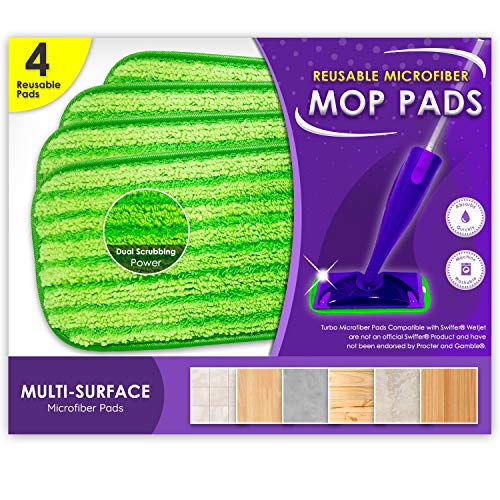
Made from high-density microfiber and a thick inner sponge layer, these reusable pads provide superior absorption and scrubbing power. They can be machine-washed up to 100 times, saving money and preventing hundreds of disposable pads from entering our ecosystems.
3. The Purest Clean: Sustainable Alternative Floor Cleaner
To replace the chemical-laden proprietary Swiffer solution, we recommend a sustainable, plant-derived floor cleaning concentrate. This formula is completely free from synthetic fragrances, glycol ethers, and isothiazolinone preservatives. Instead, it relies on plant-derived, biodegradable surfactants that are safe for crawling babies, curious pets, and bare feet.
The concentrate is USDA Certified Biobased and Leaping Bunny certified cruelty-free. Simply dilute a small amount with warm water in your refillable spray mop cartridge for a streak-free, non-toxic clean that respects both your health and the planet.
Community Ratings & Experience
372+ community ratings across Prudent Reviews/The Home Depot/PissedConsumer/Reddit
What the Community Loves
- Users appreciate that it is lightweight, quick, and easy to use for everyday floor touch-ups and grabbing dust.
- Many enjoy the pleasant scent of the cleaning solutions and the simple mop-and-toss disposable pad system.
Things to Consider
- Customers express frustration over recurring costs and environmental waste caused by proprietary non-refillable bottles and single-use pads.
- Reviewers frequently cite durability flaws such as clogged spray jets and criticize its inability to handle deep cleaning or reach into tile grout lines.
Why this is the best alternative
Why it stands out
Refillable cartridge system; Machine-washable reusable pads; Plant-derived, non-toxic cleaning formula.
Verified certifications
These certifications and seals are currently shown on the recommended product or its official listing.
- USDA Certified Biobased
- Safer Choice Certified
- Leaping Bunny Cruelty-Free
Affiliate disclosure
We may earn a commission if you buy through links in this review, at no extra cost to you.

Household Cleaners
The Best Aerosol-Free Alternative to Pledge Wood Polish
Discover why conventional wood polishes harm your lungs and furniture, and explore our top-rated, plant-based, aerosol-free alternative.

Household Cleaners
The Best Ammonia-Free Alternative to Windex
Ditch toxic ammonia and synthetic dyes. Discover the best plant-based, cruelty-free alternative to Windex for a streak-free, pet-safe shine.

Household Cleaners
The Best Quat-Free Alternative to Clorox Wipes
Clorox wipes use quats, not bleach, to disinfect. The respiratory concerns associated with quats and the single-use plastic waste make a reusable hypochlorous acid...
Try the Buy with Peace Scanner
Want a quick read on a product you already own or are thinking about buying? Use the Buy with Peace Scanner to check ingredient safety, flag common red flags, and get a clearer read on transparency and ethics in seconds.
Unlock theLive with PeaceVerified Protocol
A clearer way to shop.
Get our audited framework for safe water, non-toxic cookware, and a cleaner home.
Plus our best posts on living and shopping better.
100% Value. Zero Noise. You control the rhythm.
🪶 Thank you for your visit! This guide was meticulously researched and written by the Buy with Peace Editorial Team to help you make informed, health-conscious choices for your daily routine.
Sources
- Hopf NB and colleagues, Propylene Glycol Ethers: Widespread Use and Missing Neurotoxicity Testing (2026) — Toxics.
- De Luca HP and colleagues, Human Skin Permeation of Ethoxy- and Propoxypropanol Commonly Found in Water-Based Products (2025) — Toxics.
- Farbrot A and colleagues, Development of a Generic Analysis Method for Isothiazolinones in Consumer Products Prompted by Increased Sensitisation to Benzisothiazolinone (2026) — Contact Dermatitis.
- Mangır Ö and colleagues, Fragrance and Preservative Contact Allergens in Cosmetic and Household Cleaning Products in Turkey: Variation by Target Population, Product Type and Manufacturing Origin (2026) — Contact Dermatitis.


